
Best Time to Visit Vietnam: Weather, Seasons & Month by Month Guide
Vietnam spans more than 1,650 kilometers across diverse climate zones. While northern mountains shiver under winter mist, central beaches bask under blazing sunshine, and the southern delta stays warm year round. Here is everything you need to pick your ideal travel dates.
When Should You Visit Vietnam? At a Glance
Pleasant dry conditions across North and South. Central coast transitions from wet to sun in February.
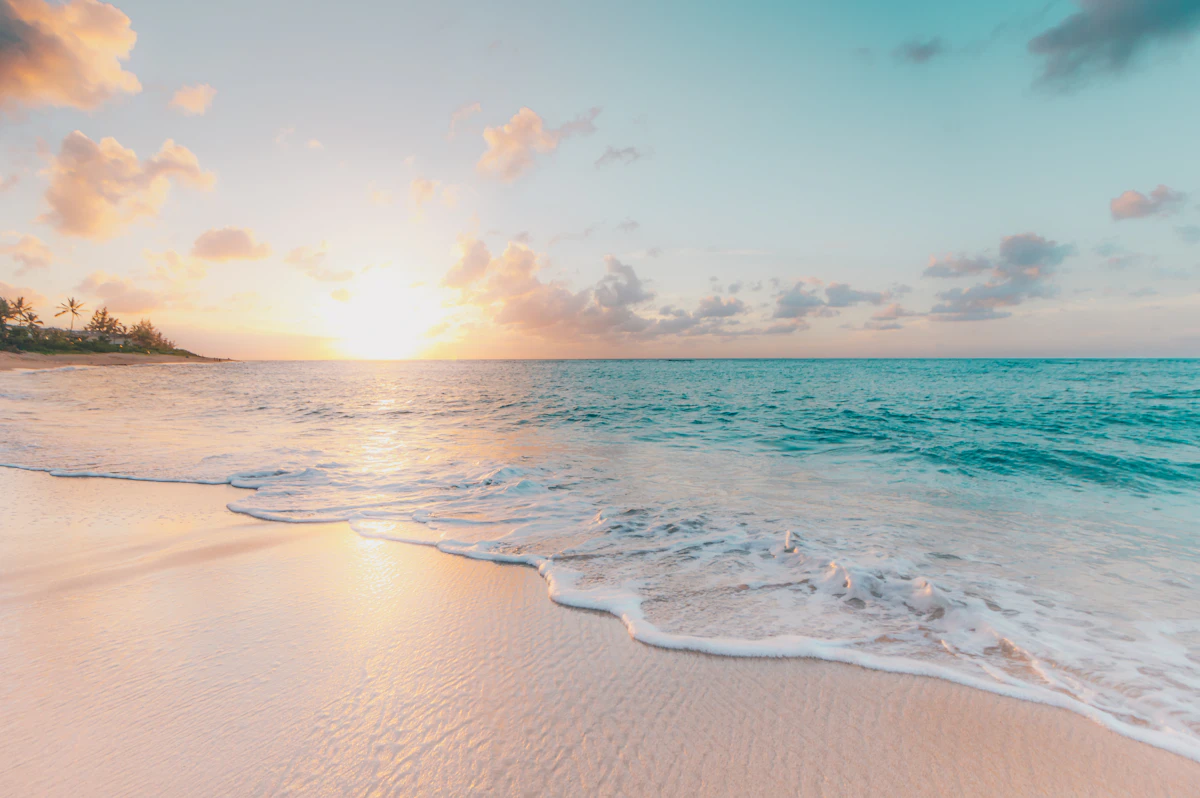
Da Nang, Hoi An, Nha Trang, and Quy Nhon offer glorious sunshine, calm sea water, and warm sand.
Terraced rice paddies in Sapa and Mu Cang Chai turn bright golden. Crisp autumn weather in Hanoi.
Significant hotel discounts and quiet temples. Quick afternoon downpours leave mornings bright and clear.
Essential Seasonal Booking Resources
Vietnam weather changes rapidly between regions. Secure flexible cancellations and book transit early during peak holiday windows such as Lunar New Year and Christmas.
Agoda Flexible Stays
Lock in rates months ahead with free cancellation if weather forecasts shift.
12Go Regional Transit
Reserve comfortable sleeper trains, VIP limousines, and express ferries online.
Viator Seasonal Tours
Vetted Halong cruises, Sapa mountain guides, and street food excursions.
5G eSIM & Insurance
Stay connected for live storm radar alerts and ensure flight disruption coverage.
Month by Month Weather Selector
Select any month below to inspect regional temperatures, average rainfall, destination suitability, and seasonal highlights across Vietnam.
Vietnam Three Distinct Climate Zones
The single most common mistake first time visitors make is looking at an average forecast for all of Vietnam. Because the country stretches across multiple latitudes and is bisected by the Truong Son mountain range and the dramatic Hai Van Pass, the North, Central coast, and South behave like three entirely separate countries meteorologically.
Four Distinct Seasons with Chilly Winters and Golden Autumns
Unlike tropical southern Vietnam, Northern Vietnam experiences four true seasons influenced by continental air currents from mainland Asia.

Cool and overcast. Temperatures in Hanoi hover between 12°C and 18°C with light misty drizzle called mua phun. In high altitude mountain towns like Sapa and Ha Giang, temperatures can plunge to freezing 2°C to 6°C with thick mountain fog. Pack fleece and thermal base layers.
Mild and pleasant. Daily highs reach 22°C to 27°C. Humidity levels rise, but countryside landscapes in Ninh Binh and Mai Chau burst into vibrant green growth. Excellent for cycling and trekking.
Hot and humid with temperatures often exceeding 34°C. Intense afternoon thunderstorms are common. Halong Bay experiences bright blue skies broken by occasional summer squalls.
Widely celebrated as the finest season in Hanoi. Clear blue skies, gentle sunshine, cool evening breezes, and dry air make this the ultimate window for outdoor exploration. Sapa terraces turn golden yellow.
Extended Coastal Dry Season Followed by Autumn Rains
Central Vietnam is shielded by mountains from early summer rains, giving it a completely unique weather rhythm.

From February onwards, Central Vietnam enjoys uninterrupted sunshine. Sea conditions along My Khe beach in Da Nang and An Bang in Hoi An are calm and crystal clear. Temperatures peak in June and July around 33°C to 35°C.
Monsoon winds bring significant rainfall to the Central coast. October and November experience the highest rainfall, and low lying streets in Hoi An ancient town can experience seasonal river flooding during high tide events.
Constant Tropical Warmth with Predictable Dry and Wet Seasons
Southern Vietnam enjoys warm tropical temperatures averaging 28°C to 34°C year round. The weather here is divided into two straightforward seasons.

Clear blue skies, minimal humidity, and calm seas. Phu Quoc and Con Dao islands enjoy dream beach weather with crystal water. March and April bring intense heat before the summer rains start.
Characterized by brief, dramatic afternoon downpours that typically last 45 to 90 minutes. Rain cools down the city streets, and mornings are almost always clear and sunny. The Mekong Delta is at its most lush, with floating markets bustling and fruit orchards ripening.
Highland Retreats: Da Lat and Buon Ma Thuot
Perched at 1,500 meters above sea level, Da Lat is known as the city of eternal spring. Daily temperatures rarely exceed 24°C, and night temperatures regularly drop to 12°C to 15°C. November to March is the best time to explore Da Lat pine forests, waterfalls, and blooming flower gardens without afternoon showers.
Vietnam Month by Month Weather Breakdown
Here is what you can expect during each month of the year, including temperatures, rain likelihood, top regional destinations, and cultural events.
January: Crisp Northern Winter & Southern Sunshine
Hanoi and Halong Bay are cool and atmospheric with misty mornings (14°C to 20°C). Sapa is cold, requiring winter coats. Southern Vietnam and Phu Quoc enjoy glorious sunshine (30°C) with dry calm waters. Central coast begins clearing up from winter rains.
February: Lunar New Year Festival & Spring Blooms
Spring begins to stir. Central Vietnam transitions into pleasant sunny days (24°C to 27°C). Tet festivities bring peach blossoms to Hanoi and yellow apricot blossoms to Saigon. Plan transport well in advance due to domestic holiday travel.
March: The Nationwide Sweet Spot
Widely considered the best single month to travel from North to South. Hanoi enjoys warm dry spring days (20°C to 25°C). Central Vietnam beaches are calm and sunny. The South is bright and tropical. Perfect for first time visitors exploring the entire country.
April: Warm Sunshine Everywhere & Calm Seas
Summer starts arriving in the South with warmer temperatures (33°C to 35°C). Central coast waters are warm and pristine for swimming. Halong Bay offers clear visibility for overnight cruises. Great trekking conditions in Northern mountains.
May: Shoulder Season Bargains & Blooming Lotus
Shoulder season starts as foreign tourist numbers drop. Tam Coc and Trang An in Ninh Binh turn bright yellow with ripe rice fields and pink lotus blossoms. Early summer showers begin in the South, while Central beaches remain glorious.
June: Summer Beach Season in Central Vietnam
The North and South experience summer heat and afternoon rain. However, the Central coast from Da Nang to Nha Trang experiences its sunniest beach weather. Ideal for diving around Cham Islands and beachside lounging.
July: Tropical Sunshine & Domestic Summer Vacations
Central Vietnam remains hot and dry (32°C to 35°C). Popular beach destinations are lively with Vietnamese families enjoying school holidays. Northern mountains can experience heavy rain, so check road conditions if planning the Ha Giang Loop.
August: Green Terraces Transition to Gold
The high heat of summer begins to soften late in the month. Rice paddies in Mu Cang Chai and Sapa begin turning from lush jade green to golden amber. Central Vietnam enjoys the tail end of its sunny dry season before autumn storms approach.
September: Peak Golden Rice Harvest & Hanoi Autumn
A magical month for Northern Vietnam. Hanoi enters its renowned autumn season with crisp morning air, dry blue skies, and the sweet fragrance of milk flowers. In the mountains, Mu Cang Chai and Sapa celebrate the golden terrace harvest. Central coast starts seeing rain.
October: Northern Autumn Glory & Southern Transition
Hanoi and Halong Bay enjoy stellar weather: sunny, dry, and mild (23°C to 28°C) with very low storm risk. Southern Vietnam finishes its wet season with fewer rain showers. Central Vietnam experiences peak monsoon rains, so avoid Hoi An beaches this month.
November: Prime Nationwide Travel Window Opens
One of the best months for traveling across the entire country. The North is cool and dry. The South enters its peak dry season with clear skies and calm waters in Phu Quoc. Central Vietnam rain begins tapering off towards late November.
December: Festive Winter Holidays & Tropical Islands
Peak international tourist season arrives. Northern Vietnam is cool to chilly (15°C) with festive holiday displays in Hanoi Old Quarter. Southern Vietnam and Phu Quoc enjoy picture perfect beach weather with clear turquoise waters (30°C).
When Should You Travel? Three Seasons Compared
Depending on your personal travel priorities whether you crave perfect beach days, dramatic mountain photography, or budget friendly luxury resorts choose the season that matches your style.
December to April
The most popular window for travelers from Europe, North America, and Australia escaping cold winters back home.
- ✓ Superb weather across North and South simultaneously.
- ✓ Crystal clear waters in Phu Quoc and Con Dao islands.
- ! Higher hotel rates and busier popular attractions.
May to Jun & Sep to Oct
The smart traveler choice. Moderate crowds, pleasant rates, and spectacular seasonal scenery.
- ✓ Golden rice harvest photography in Northern mountains.
- ✓ Great hotel availability and uncrowded historical sights.
- ! Brief tropical rain showers in the late afternoons.
July to August
Summer in full swing. Ideal for beach vacations along the Central coast and budget backpackers.
- ✓ Central beaches (Hoi An, Nha Trang) bask under bright sunshine.
- ✓ Steep discounts on 5 star luxury resorts and private tours.
- ! High heat and humidity in cities; heavy rains in Mekong Delta.
Top Rated Stays for Each Seasonal Climate
Where you stay matters just as much as when you travel. Here are top rated properties optimized for winter heating, beach relaxation, and panoramic mountain views.
 Winter & Autumn Retreat
Silk Path Grand Resort & Spa
Perched on a private hill with heated rooms, cozy fireplaces, and breathtaking vistas of the Hoang Lien Son range during crisp winter mist.
 Dry Season Luxury
Anantara Hoi An Resort
French colonial architecture right on the Thu Bon River. Walk to the lantern illuminated ancient town or cycle to An Bang beach under sunny skies.
 Clear Autumn & Spring
Amanda Luxury Cruise Ha Long
Sail between dramatic limestone karst pillars with sea kayaking, cave exploration, and open sun decks during dry autumn and spring days. All inclusive 2 days 1 night with over 6,400 five star reviews.
 Tropical City Center
Caravelle Saigon Hotel
Historic 5 star hotel right across from the Saigon Opera House. Features a tranquil courtyard pool and iconic rooftop bar for cool tropical evenings.
Typhoons, Monsoons & Rainy Season: What You Must Know
Tropical storms make occasional headlines, but understanding where and when they occur will keep your trip smooth, safe, and stress free.
When and Where Do Typhoons Strike?
Typhoons in the East Sea (South China Sea) typically track westward between August and November. The most affected region is the Central coast (Hue, Da Nang, Quang Nam, and Quang Ngai) between late September and November.
Northern Vietnam can occasionally experience summer tropical depressions in July or August, while Southern Vietnam (Saigon and Mekong Delta) rarely experiences direct typhoons due to its equatorial latitude.
Halong Bay Cruise Weather Regulations
The Halong Bay Port Management Authority strictly monitors weather conditions for passenger safety. If wind speeds exceed safe thresholds or storm warnings are issued, overnight cruise permits are temporarily paused.
Reputable cruise operators will either provide day boat alternatives, reschedule your sailing date, or refund the cruise portion according to their policy. Always book through verified providers like Viator or official luxury cruise lines.
What to Pack for Each Vietnam Season
Pack strategically to handle altitude changes in the north, tropical humidity in the south, and sacred temple dress codes.
| Season & Region | Temperature Range | Must Pack Clothing | Key Accessories |
|---|---|---|---|
| Northern Winter (Dec to Feb) | 10°C to 18°C (2°C in Sapa) | Thermal underwear, fleece jacket, windbreaker, warm socks | Compact umbrella, lip balm, closed walking shoes |
| Central Summer Beach (May to Aug) | 30°C to 36°C | Breathable linen shirts, swimwear, quick dry shorts | SPF 50 reef safe sunscreen, polarized sunglasses, beach hat |
| Southern Tropical (Year Round) | 28°C to 35°C | Lightweight cotton tees, loose trousers, sandals | Waterproof dry bag, refillable water bottle, mosquito spray |
| Temples & Pagodas (Everywhere) | Any weather | Shoulder covering shirts, knee length skirts or trousers | Slip on shoes for easy removal at temple doors |
Vietnam Major Festivals by Season
Planning your trip around traditional festivals provides unforgettable cultural memories.
Tet Nguyen Dan (Lunar New Year)
The grandest celebration in Vietnam. Streets glow with red lanterns, kumquat trees, and peach blossoms. Book long distance sleeper trains and flights on 12Go at least one month early.
Hoi An Full Moon Lantern Festival
Motorbikes are banned from the ancient town, electric street lamps are extinguished, and thousands of handmade silk lanterns illuminate the Thu Bon River.
Da Nang International Fireworks Festival
World class pyrotechnic teams compete over the Han River on weekend evenings. Coastal hotels fill up quickly, creating an exhilarating summer atmosphere.
Mid Autumn Festival (Tet Trung Thu)
Children parade with colorful carp and star lanterns through Hanoi Old Quarter and Saigon Chinatown, while bakeries sell traditional mooncakes with lotus seed and salted yolk.
Pair Your Weather Window with Flagship Routes
Now that you know when to travel, explore our battle tested itineraries packed with verified hotel bookings, train transfers, and day by day maps.
The Ultimate 2 Week Vietnam Itinerary
Classic route connecting Hanoi, Halong Bay, Ninh Binh, Hoi An, and Saigon. Ideal from November to April.
Vietnam 10 Day Highlights Route
Smart express itinerary maximizing your vacation days without rushing through iconic sights.
7 Day Northern Vietnam Route
Hanoi, misty Sapa mountains, Ninh Binh river karsts, and Halong Bay luxury overnight cruise.